ISSN 1674-3865  CN 21-1569/R
主管:国家卫生健康委员会
主办:中国医师协会
   辽宁省基础医学研究所
   辽宁中医药大学附属医院

中国中西医结合儿科学 ›› 2026, Vol. 18 ›› Issue (1): 60-66.doi: 10.20274/j.cnki.issn.1674-3865.2026.01.012

• 小儿中药应用研究 • 上一篇    下一篇

2025版《中国药典》收载儿科中成药的系统分析

万慕湲, 易鹏飞(), 徐清怡, 颜劲松, 张甜, 刘丽琴, 陈梦琦, 李青青   

  1. 330000 南昌,江西省儿童医院药学部
  • 收稿日期:2025-07-21 修回日期:2025-10-24 出版日期:2026-02-25 上线日期:2026-02-25
  • 通讯作者: 易鹏飞 E-mail:279616567@qq.com
  • 作者简介:万慕湲(1985-),女,副主任药师。研究方向:药事管理及呼吸专业临床药学
  • 基金资助:
    江西省科技厅临床医学研究中心优化组建项目(20223BCG74013);江西省卫生健康委科技计划项目(202410468)

Systematic analysis of pediatric Chinese patent medicines and simple preparations included in the 2025 edition of the Chinese Pharmacopoeia

Muyuan WAN, Pengfei YI(), Qingyi XU, Jinsong YAN, Tian ZHANG, Liqin LIU, Mengqi CHEN, Qingqing LI   

  1. Jiangxi Children's Hospital, Nanchang 330000, China
  • Received:2025-07-21 Revised:2025-10-24 Published:2026-02-25 Online:2026-02-25
  • Contact: Pengfei YI E-mail:279616567@qq.com
  • Supported by:
    Science and Technology Plan Project of Jiangxi Provincial Health Commission(202410468)

摘要:

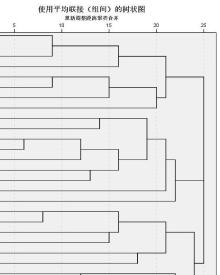
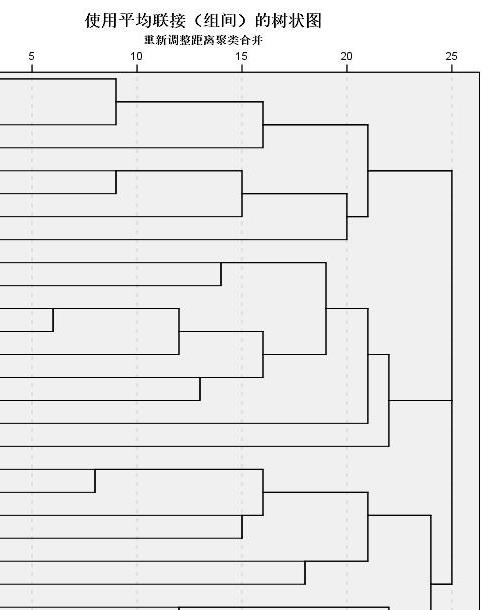
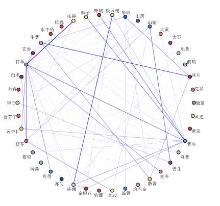
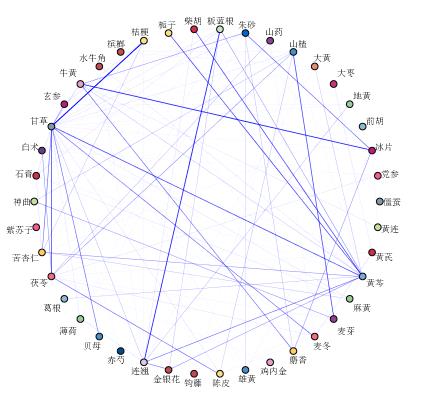
目的 调查分析2025版《中国药典(一部)》中收录的儿科中成药情况,为临床合理使用儿童中成药提供参考。 方法 系统分析2025 版《中国药典(一部)》儿科用中成药的品种、剂型、功效主治、用法用量及安全信息等现状,并挖掘高频用药组方规律。 结果 2025版共收载中成药1 616种,其中收录药名含“儿童”“小儿”的儿童专用中成药100种,占比6.19%,2020版儿童专用中成药53种,较2020版增加了47种。儿童可用中成药642种,慎用或禁用中成药61种;儿童中成药主要功效以化痰止咳平喘类最多(21%),主要剂型以颗粒剂最多(24%),有具体年龄划分用法的占多数(65%),但明确标注不良反应的较少,仅占儿童专用药的26%,并采用SPSS Statistics 21.0和SPSS Modeler 18.0软件对高频药物(频数>10)进行系统聚类分析和关联规则分析。得到4个聚类处方,C1:麦芽、神曲、山楂、槟榔、茯苓、陈皮、白术、麦冬,C2:葛根、水牛角、连翘、板蓝根、金银花、黄芩、柴胡、大黄、栀子,C3:牛黄、冰片、麝香、黄连、朱砂、薄荷,C4:苦杏仁、石膏、桔梗、玄参、知母、贝母、甘草。 结论 我国儿童中成药的发展存在专用品种匮乏、用法用量不明确、功能主治不规范等问题。应鼓励研发创新、完善药品标准、加强临床研究、加强合理用药指导以及建立监测体系等多方面的措施,可以有效改善儿科用中成药的用药现状,提高其安全性和有效性,为儿童健康提供更好的保障。

关键词: 中成药, 中国药典(2025版), 用药安全, 研发趋势, 儿童

Abstract:

Objective To investigate and analyze the status of pediatric Chinese patent medicines and simple preparations included in the 2025 edition of Chinese Pharmacopoeia (Volume I), in order to provide reference for the rational use of pediatric Chinese patent medicines and simple preparations in clinical practice. Methods Based on the contents contained in the 2025 edition of Chinese Pharmacopoeia (Volume I), the current status of pediatric Chinese patent medicines and simple preparations was systematically analyzed in terms of varieties, dosage forms, efficacy and indications, usage and dosage, and safety information, and the prescription rules of high-frequency drugs were explored. Results The 2025 edition contains 1 616 kinds of traditional Chinese patent medicines and simple preparations, including 100 kinds of traditional Chinese patent medicines and simple preparations for children whose names include "child" and "pediatric", accounting for 6.19%, while in the 2020 edition, there are 53 kinds of Chinese patent medicines and simple preparations for children, so the 2025 edition contains 47 more than the 2020 edition. There are 642 kinds of traditional Chinese patent medicines and simple preparations that can be used for children, and 61 kinds of traditional Chinese patent medicines and simple preparations that should be used with caution or must be prohibited. The main efficacy of traditional Chinese patent medicines and simple preparations for children is cough-relieving and asthma-relieving (21%), and the main dosage form is granules (24%). A majority of the medicines (65%) has usage based on specific age classification, but not many with adverse reactions clarified, accounting for only 26% of specific drugs for children. SPSS Statistics 21.0 and SPSS Modeler 18.0 software were used to conduct systematic cluster analysis and association rule analysis on high-frequency drugs (frequency>10). Four cluster prescriptions were obtained, C1: malt, Shenqu, hawthorn, betel nut, Poria cocos, tangerine peel, Atractylodes macrocephala, Ophiopogon japonicus; C2: Pueraria lobata, buffalo horn, Forsythia suspensa, Isatis root, honeysuckle, Scutellaria baicalensis, Bupleurum chinense, Rheum palmatum, Gardenia jasminoides; C3: bezoar, borneol, musk, Coptis chinensis, cinnabar, peppermint; C4: bitter almond, gypsum, Platycodon grandiflorum, Scrophularia suspensa, Anemarrhena chinensis, Bulbus fritillaria, licorice. Conclusion The development of traditional Chinese patent medicines and simple preparations for children in China has some problems, such as lack of specific varieties, unclear usage and dosage, and non-standard functions and indications. We should encourage R&D and innovation, improve drug standards, strengthen clinical research, strengthen rational drug use guidance and establish a monitoring system and adopt other measures, which can effectively improve the current situation of the use of traditional Chinese patent medicines and simple preparations for pediatric use, improve its safety and effectiveness, and better safeguard children's health.

Key words: Traditional Chinese patent medicines and simple preparations, Chinese Pharmacopoeia (2025 edition), Medication safety, Research and development trends, Child

中图分类号: